
How to Extend the Service Life of Your Welding Robot (5 Practical Maintenance Tips)
Time: 2024-07-16 09:28:39
How to Extend the Service Life of Your Welding Robot (5 Practical Maintenance Tips)
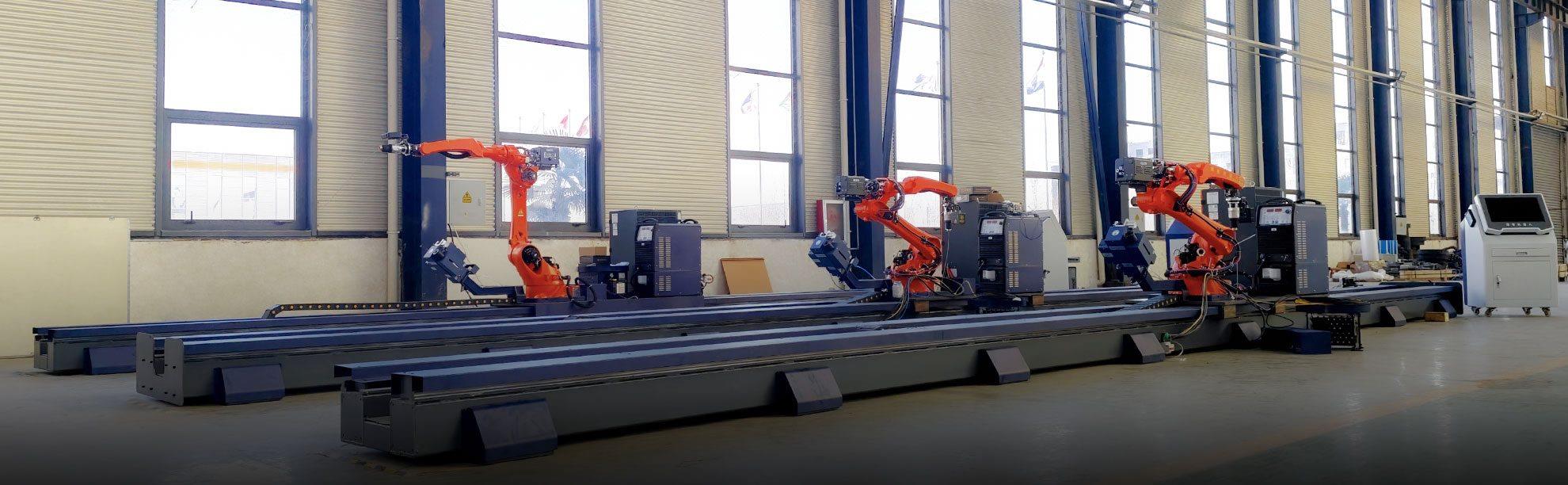
In a bustling industrial workshop, a Junhao technician in blue work clothes crouches beside a 7-axis ground rail welding workstation, carefully applying lubricant along the precision rail. Nearby, the robot’s welding torch rests on a cleaning rack—clearly labeled *“Clean Torch Daily”*—a small but vital reminder of disciplined maintenance. On the wall, a detailed checklist poster outlines routine inspections, while the adjacent tool cabinet stores essential spares: coils of welding wire, spare nozzles, and contact tips. This scene captures the essence of proactive care that keeps robotic welding systems running efficiently for years.
To maximize your welding robot’s service life, follow these five practical maintenance tips:
1. Lubricate Moving Parts Regularly
As seen with the technician servicing the ground rail, proper lubrication reduces friction and prevents premature wear. Focus on rails, joints, and gearboxes. Follow the manufacturer’s schedule—over-lubrication can attract dust, while under-lubrication accelerates component degradation.
2. Clean the Welding Torch Daily
Spatter buildup clogs nozzles and disrupts shielding gas flow, leading to poor weld quality and overheating. The “Clean Torch Daily” label is more than a suggestion—it’s a best practice. Use anti-spatter spray and inspect liners, tips, and diffusers daily to ensure optimal performance.
3. Inspect Cables and Hoses Weekly
Robot arms rely on flexible conduits carrying power, gas, and signals. Check for cracks, kinks, or abrasions weekly. Damaged hoses can cause gas leaks or electrical faults, risking both safety and productivity.
4. Replace Consumables Proactively
Worn nozzles, contact tips, and welding wires degrade weld consistency. Keep spare parts organized in a labeled cabinet and replace consumables before they fail. Scheduled replacements reduce unplanned downtime and maintain weld integrity.
5. Follow a Detailed Maintenance Checklist
Post a clear maintenance schedule—like the one on the workshop wall—to standardize procedures across shifts. Include calibration checks, software updates, and sensor inspections. Consistency ensures nothing is overlooked.
By integrating these habits into daily operations, manufacturers can extend their welding robot’s lifespan by years, improve uptime, and maintain peak welding quality. As the Junhao technician demonstrates, excellence begins not with grand gestures, but with consistent, hands-on care—one drop of lubricant, one cleaned torch at a time.